How to spot understaffing and neglect red flags in a memory care community
By Diego Cohen · Updated 2026-07-23
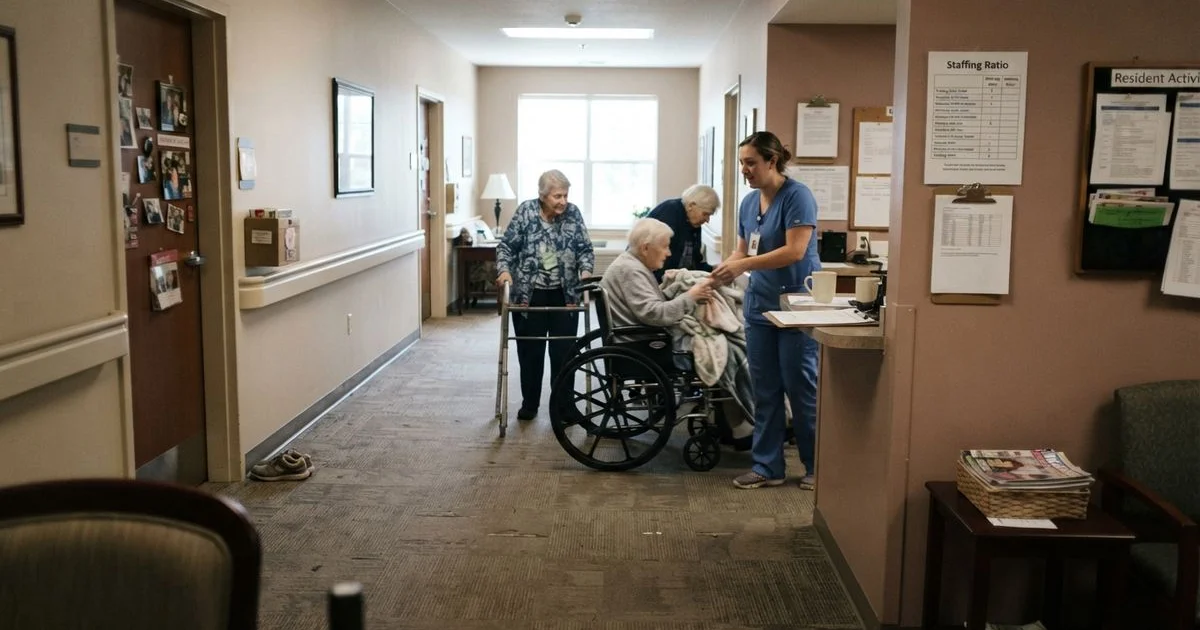
Reviews of memory care and skilled nursing communities in this region share a pattern worth taking seriously: the same handful of complaints show up again and again, across otherwise well-regarded facilities. Slow response to call buttons, inconsistent personal care, and communication that breaks down exactly when a family needs it most. None of this means every community has these problems. It means they are common enough that you should actively check for them rather than assume they won’t happen to you. If you are still weighing whether it is time to make a move at all, our guide on the safety signs families miss covers the signals worth watching for first.
The complaints that come up most often
Across family reviews of communities in the region, a handful of themes repeat far more than any others: staff not responding quickly to requests, especially overnight; inconsistent personal hygiene care for residents who need more hands-on help; missed or delayed medication management; and communication gaps where families say they couldn’t reach anyone, or weren’t told about a change in condition until well after the fact. A smaller but serious set of complaints describes residents left without adequate hydration, feeding assistance, or repositioning, particularly during respite stays or in higher-acuity units.
None of these are things a glossy tour will reveal on its own. They tend to surface through day-to-day consistency, which is exactly why staffing levels matter more here than almost any other factor.
Table: what to watch for, and how to check it
| Red flag | Why it happens | How to check |
|---|---|---|
| Slow response to calls | Understaffing, especially overnight | Ask for actual overnight ratios, not advertised minimums |
| Inconsistent personal care | High staff turnover, rushed shifts | Ask about turnover rate; visit unannounced if allowed |
| Missed or delayed medication | Overloaded nursing staff | Ask how medication administration is tracked and audited |
| Poor family communication | Understaffed front office or nursing leadership | Ask who your point of contact is and how changes get reported |
| Odor or cleanliness issues | Housekeeping gaps, often tied to staffing | Visit bathrooms and common areas, away from the lobby |
Questions that get past the sales pitch
Ask for the actual staff-to-resident ratio on the overnight shift, not the number posted for daytime hours. Ask how many aides have been with the community for more than a year, since turnover is one of the strongest predictors of inconsistent care. Ask what happens when a resident’s needs change mid-stay, and whether that triggers a new assessment or just gets absorbed into the existing routine. And ask directly how the community handles behavioral episodes like agitation or resistance to care, since the answer tells you a lot about whether staff are trained specifically for dementia, not just general caregiving.
Why the overnight shift matters most
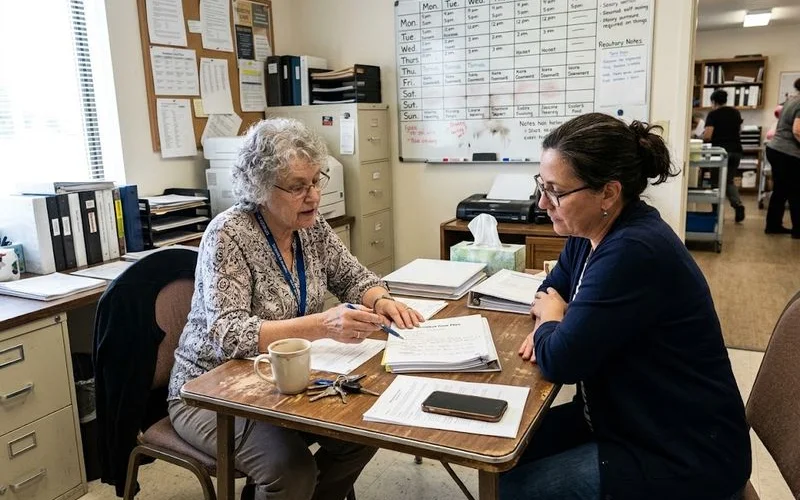
Daytime staffing tends to look fine everywhere, since it is when tours happen and when a facility’s leadership is on-site to notice problems. Overnight is a different story: fewer staff are typically scheduled, residents who wander or become agitated are harder to redirect quietly, and a fall or medical change can go unnoticed longer before anyone checks in. This is also when sundowning behaviors are most likely to occur, which adds to the workload right as staffing thins out. If you can, ask whether the community allows an evening or overnight visit, or at least ask current families what that shift is actually like, rather than relying on the ratio printed in a brochure.
Checking the record behind the pitch
Connecticut’s Department of Public Health publishes inspection and survey results for licensed facilities, and skilled nursing communities also carry a CMS quality rating that reflects staffing, health inspections, and outcomes. Neither source is perfect on its own, but both give you something more concrete than a sales tour. The state’s long-term care ombudsman program is a free resource too, both before you choose a community and after, if concerns come up later.
What to do if you’re already seeing problems
If a loved one is already in a community and you’re noticing slow responses, missed care, or unexplained changes, document specific incidents with dates, raise them directly with the director of nursing or administrator in writing, and involve the ombudsman if the pattern continues. Our methodology explains how family-reported sentiment factors into our scoring, and you can compare providers across the region from the home page if the concerns you’re seeing point toward looking elsewhere.
This is general information, not medical or legal advice. If you believe a resident is in immediate danger, contact emergency services or the facility’s leadership directly.
Frequently asked questions
- What's the biggest red flag during a tour?
- A slow or vague answer when you ask for the actual overnight staff-to-resident ratio, not the daytime one. Daytime staffing is usually adequate everywhere; overnight is where gaps show up most, and it's also when falls, wandering, and medical emergencies are hardest to catch quickly.
- Is it normal for call button response times to vary?
- Some variation happens everywhere, especially during shift changes or a staff member's break. What's not normal is a pattern of long waits reported across multiple reviews or multiple visits, particularly for help with toileting, repositioning, or a change in condition.
- How do I check on care quality after move-in, beyond the initial tour?
- Visit at different times, including evenings and weekends, and pay attention to whether the same staff greet you and know your loved one by name over time. High staff turnover is one of the clearest indicators that care quality is inconsistent, even if the facility looks fine on the surface.
- Where can I check a facility's record beyond what they tell me?
- Connecticut's Department of Public Health maintains inspection and licensing records for facilities, and the state's long-term care ombudsman program can tell you whether a specific community has an open pattern of complaints.