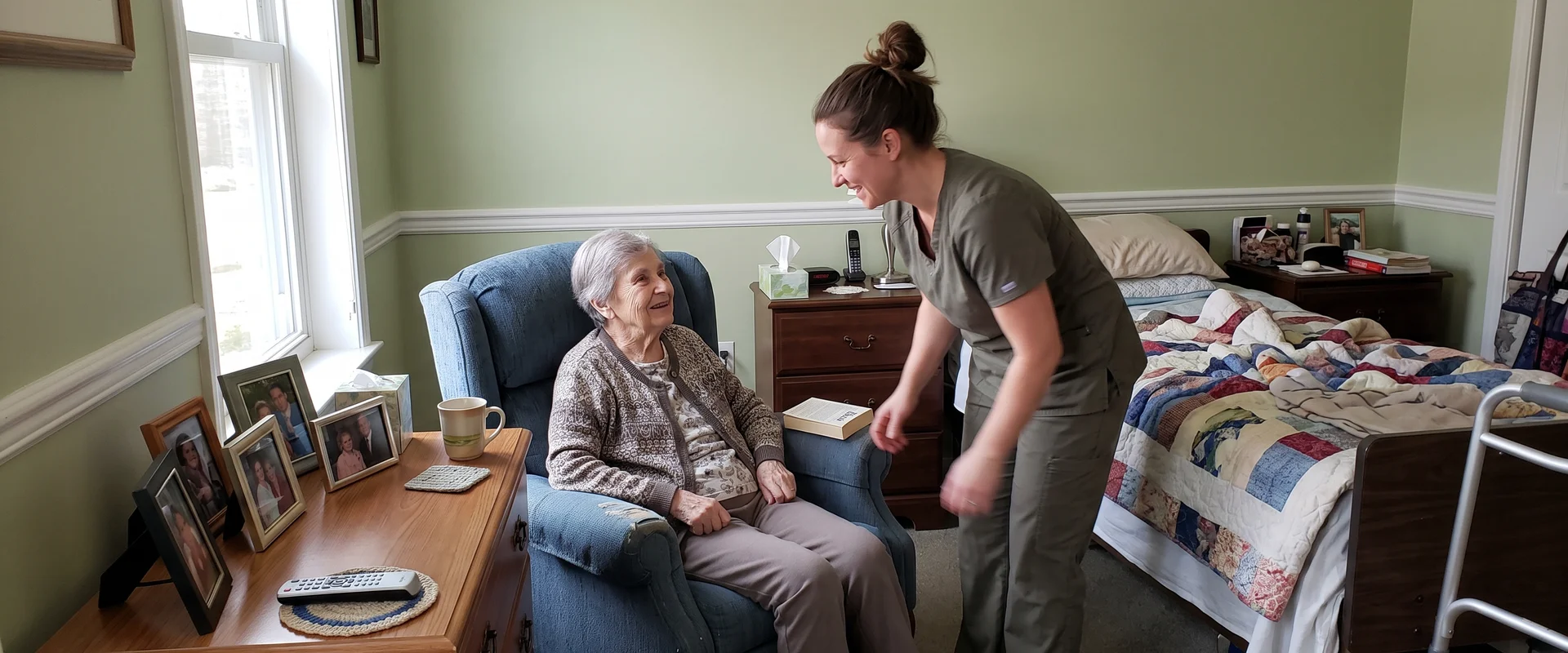
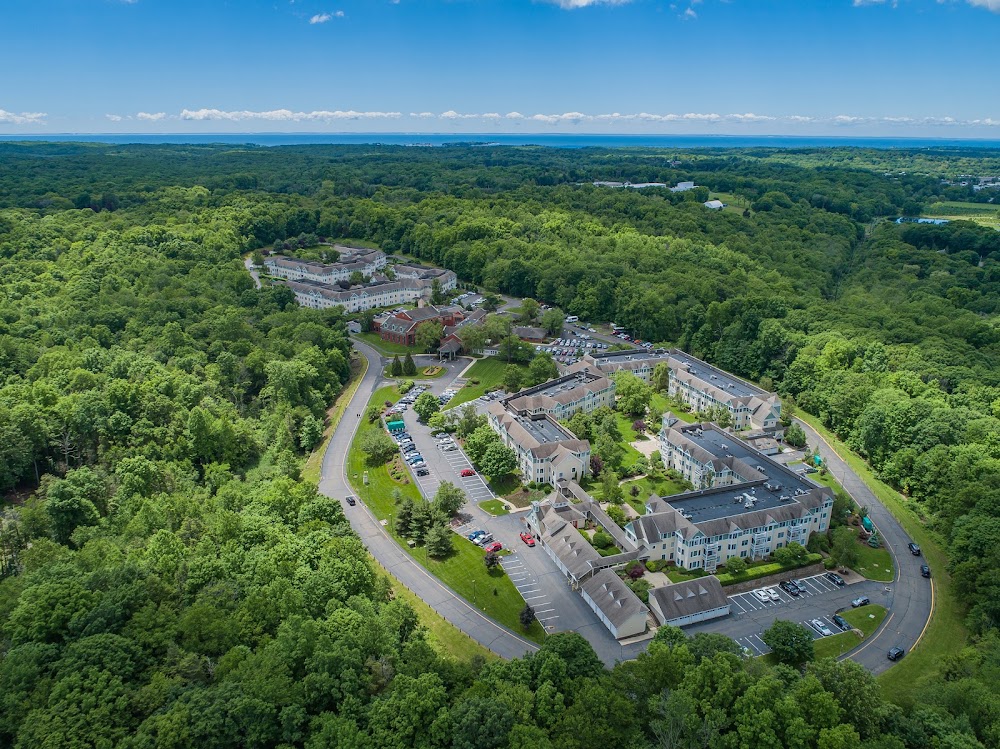
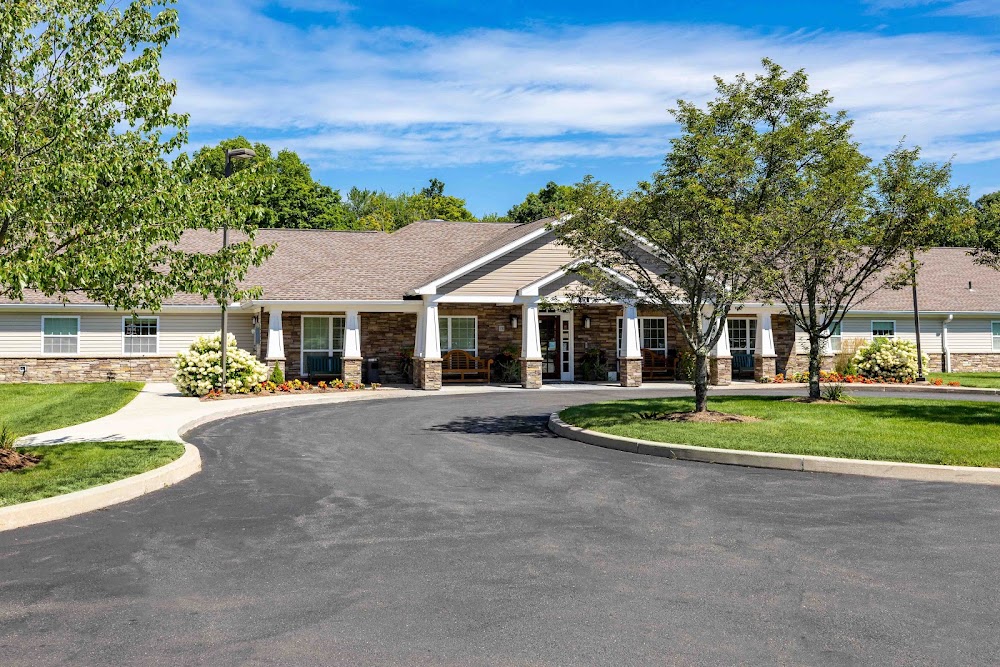
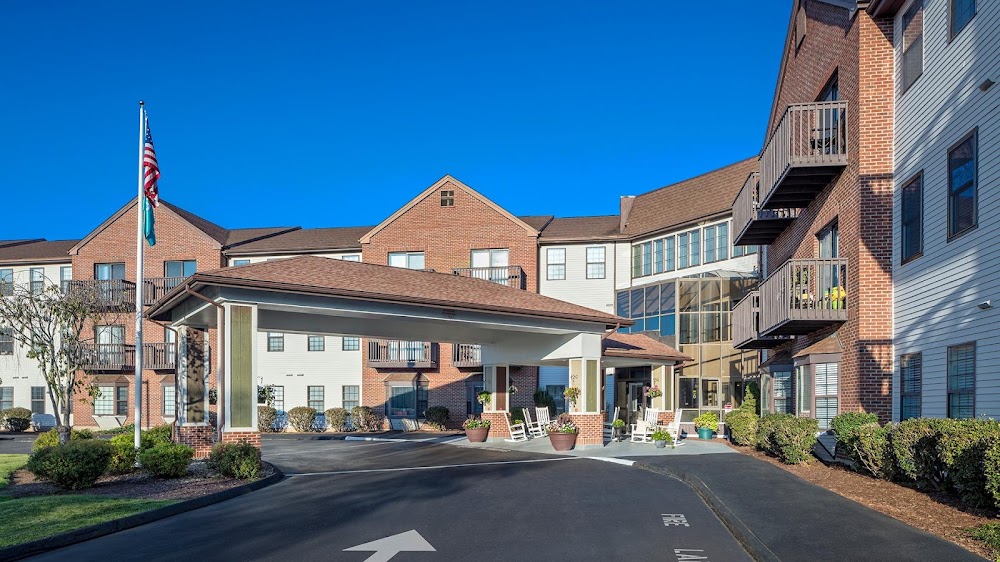
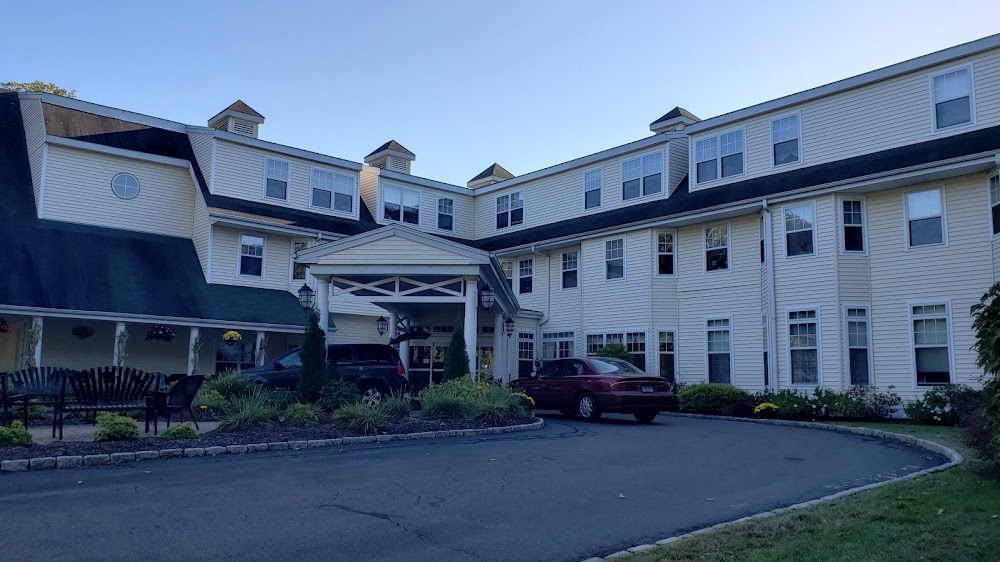
Memory care assisted living is a step up from standard assisted living, built specifically for residents with Alzheimer's disease or other forms of dementia. Staff-to-resident ratios tend to be higher, the building layout is usually secured to prevent wandering, and daily programming is structured around routine, familiarity, and cognitive engagement rather than open-ended independence. Branford has 7 communities offering this level of care, ranging from dedicated memory care wings inside larger assisted living campuses to smaller, standalone households.
What to look for
Start with staffing: ask what the caregiver-to-resident ratio is during the day and overnight, and whether staff have dementia-specific training beyond a general orientation. Walk the unit itself. Good memory care design uses clear sightlines, contrasting colors to mark doorways and bathrooms, and enclosed outdoor space residents can access without supervision hovering over every step. Ask how the community handles behavioral changes like agitation or exit-seeking, what its medication management process looks like, and how families are updated when a resident's needs shift. Cost matters too: memory care typically runs higher than standard assisted living because of the added staffing and security, so get a clear breakdown of the base rate versus care-level add-ons before signing anything.
How we score
Our rankings weigh staffing levels, safety features, state inspection history, and family feedback where available, rather than relying on marketing materials alone. See the ranked guide to Branford's best memory care assisted living for how these 7 communities compare, and our methodology page for the full scoring breakdown.